

How to Build a Personal Brand as a UK Entrepreneur (2026 Guide)
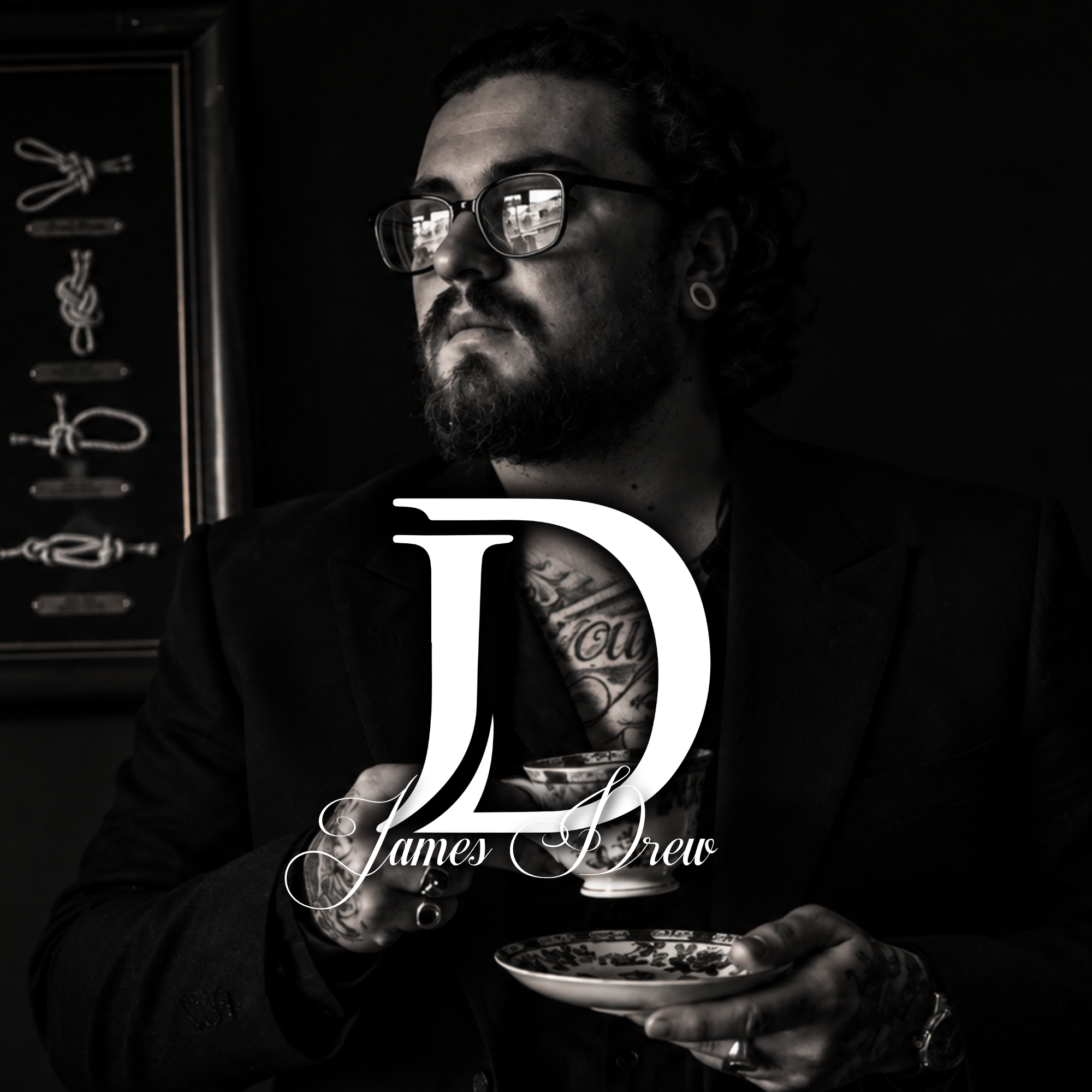

Your personal brand is the reputation that walks into the room before you do. For an entrepreneur, it affects who backs you, who buys from you and who wants to work with you. Whether you're launching your first venture or running several, a strong personal brand makes everything else easier.
This guide covers how to build one, with lessons from working across music, media, marketing and luxury lifestyle.
What is a personal brand for an entrepreneur?
A personal brand is the combination of your story, your values, your expertise and the way people experience you online and offline. It isn't a logo or a follower count. It's what people say about you when you're not there.
For founders, it matters because people back people. Investors, customers, artists and partners often decide on trust in the individual before they look at the product.
1. Start with your "why", not your "what"
Most entrepreneurs lead with what they sell. The strongest brands lead with why they exist.
Ask yourself:
What do I believe that others in my industry don't?
What problem do I care about solving?
What do I want my work to give me, and others, in the long run?
For me, entrepreneurship was never the goal. Freedom was. That one idea shapes how I choose projects, partners and risks. Find your equivalent and make it the foundation of everything you publish.
2. Define a clear niche and positioning
"I do a bit of everything" is hard to remember and hard to rank for. Even if you run several businesses, you need a single thread connecting them.
Mine is building bold ideas into distinctive brands, whether that's an independent record label, a creative agency for the premium tobacco and luxury world, or a speaking workshop about overcoming fear. The industries differ, but the approach is the same: creativity, commercial strategy and the confidence to act early.
Write one sentence that explains who you help and how. Use it on your website, LinkedIn, Instagram and every bio.
3. Build a website you own
Social platforms change their algorithms constantly. Your website is the one asset you control. Make sure it has:
A keyword-aware title and meta description. Say who you are and what you do.
A strong About page that tells your story in your own words.
Separate pages for each venture or service, each with its own focus.
A blog, which is how you show expertise and capture search traffic.
A clear contact route, so opportunities don't slip away.
4. Tell your story with honesty
Audiences are tired of polished, perfect founders. Candid storytelling builds trust faster than any slogan. Share the risks you took, the mistakes you made and what you'd do differently.
This is the idea behind my "F*ck It" workshop: people don't need another motivational slogan, they need permission and practical steps to stop overthinking and start acting.
5. Create content that proves your expertise
Content is how people find you and decide whether to trust you. Choose two or three themes you can speak about confidently, such as branding, building a business from scratch, or growing in a creative industry, and create content around them consistently.
Practical formats that work for entrepreneurs:
Blog posts answering questions your audience actually searches for
Short-form video sharing one lesson at a time
LinkedIn posts that share what you're learning in real time
Podcast guest spots and speaking events
Repurpose everything. One blog post can become five social posts, a short video and a newsletter.
6. Be consistent across every platform
Use the same name, photo, tone and descriptor everywhere. Consistency makes you recognisable and helps search engines connect your website and profiles into one identity.
Check that your social links on your website go to your own profiles, that your bios match, and that your key message is the same on every platform.
7. Partner with people who share your standards
Your brand is shaped by the company you keep. Collaborate with people who value bold thinking and strong execution. Strategic partnerships, from co-created projects to guest appearances, expand your reach and add credibility.
8. Take action before you feel ready
The biggest brand-killer is waiting for the perfect moment. Most successful founders launched before they felt fully prepared and refined as they went. Publish the post. Launch the page. Pitch the idea. You can improve something that exists, but you can't improve something you never started.
Common personal branding mistakes
Copying someone else's voice. People can tell.
Posting without a strategy. Random content builds a random reputation.
Ignoring your website. Relying on social media alone leaves you exposed.
Being inconsistent. Disappearing for months resets your momentum.
Over-polishing. Authenticity beats perfection.
Final thoughts
A personal brand isn't built in a weekend. It's built through clear positioning, honest storytelling and consistent action over time. Start with your "why", build a platform you own, share what you know, and keep showing up.
If you have an ambitious idea or want to collaborate, get in touch through the contact page. I'd like to hear it.

Comments